
Spiti Valley: The Enchanted Himalayan Desert
Spiti Valley, located in the northern Indian state of Himachal Pradesh, is a mesmerizing high-altitude desert region known for its rugged landscapes, ancient monasteries, and serene environment. Often referred to as \”Little Tibet,\” Spiti Valley is a haven for adventurers, spiritual seekers, and nature lovers alike. This remote and enchanting destination offers a unique blend of stark natural beauty, rich cultural heritage, and tranquil solitude.
Majestic Landscapes
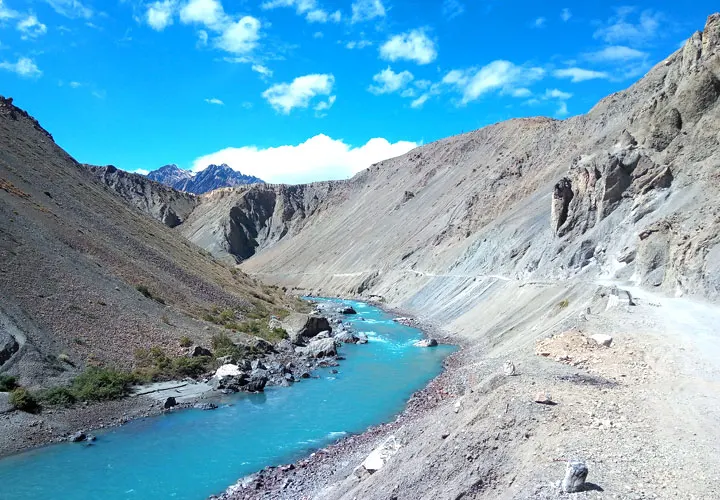
Spiti Valley\’s dramatic terrain is characterized by its barren mountains, deep gorges, and turquoise rivers. The valley\’s unique geography and high altitude create an otherworldly landscape that leaves visitors in awe.
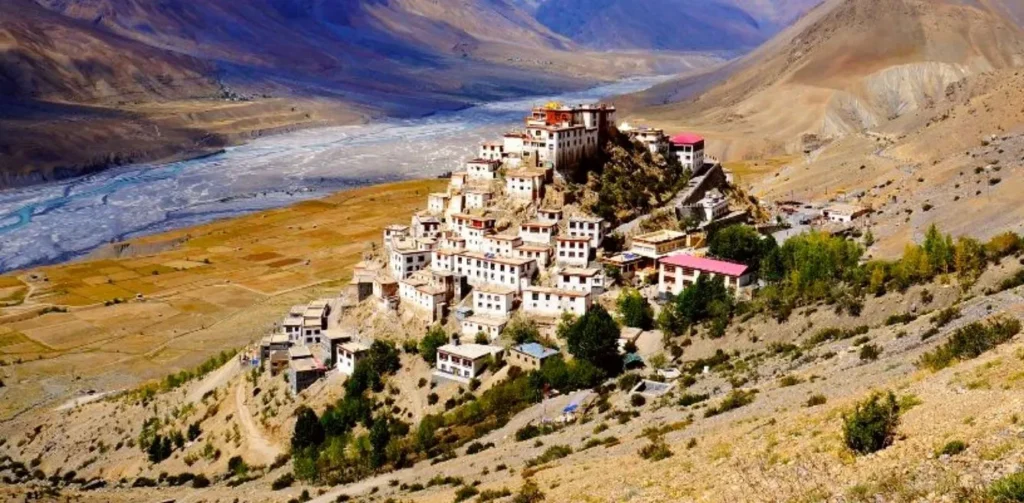
- Key Monastery: Perched atop a hill overlooking the Spiti River, Key Monastery is the largest and oldest monastery in Spiti Valley. This stunning Tibetan Buddhist monastery is a hub of spiritual learning and offers panoramic views of the surrounding valley.
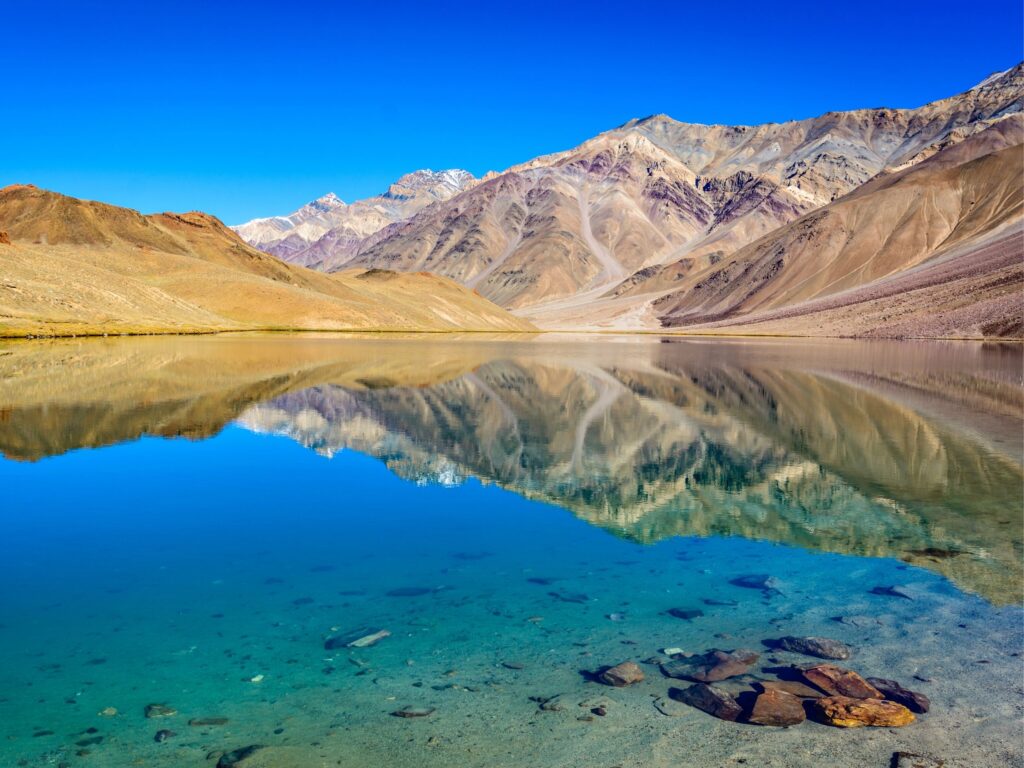
- Chandratal Lake: Also known as the \”Moon Lake,\” Chandratal is a crescent-shaped lake located at an altitude of about 4,300 meters. The lake\’s crystal-clear waters and the surrounding snow-capped peaks create a breathtakingly beautiful sight.
- Pin Valley National Park: This national park is home to rare and endangered wildlife, including the elusive snow leopard, ibex, and Himalayan wolf. The park\’s pristine environment and diverse flora and fauna make it a paradise for nature enthusiasts and wildlife photographers.
Ancient Monasteries and Villages
Spiti Valley is dotted with ancient monasteries and quaint villages that offer a glimpse into the region\’s rich cultural and spiritual heritage.
- Dhankar Monastery: Perched precariously on a cliff, Dhankar Monastery is one of the most spectacularly located monasteries in the world. The monastery, which dates back over a thousand years, offers stunning views of the confluence of the Spiti and Pin rivers.
- Tabo Monastery: Known as the \”Ajanta of the Himalayas,\” Tabo Monastery is over a thousand years old and is renowned for its ancient murals, frescoes, and statues. The monastery complex, with its numerous temples and stupas, is a significant center of Buddhist learning and art.
- Langza Village: Famous for its fossil-rich soil and the towering Buddha statue overlooking the village, Langza offers a unique blend of natural beauty and cultural heritage. The village is also a great spot for fossil hunting and experiencing traditional Spitian life.
Adventure and Outdoor Activities
Spiti Valley\’s rugged terrain and high altitude make it an ideal destination for various adventure activities.
- Trekking: Spiti Valley offers numerous trekking routes that traverse through breathtaking landscapes and remote villages. Popular treks include the Pin Parvati Pass trek, the Parang La trek, and the Kanamo Peak trek.
- Mountain Biking: The challenging terrain and high-altitude roads of Spiti Valley provide an exhilarating experience for mountain biking enthusiasts. The journey offers spectacular views and a thrilling adventure.
- Camping: The serene environment and pristine landscapes of Spiti Valley make it a perfect destination for camping. Camping by the riverbanks or near high-altitude lakes offers a peaceful and unforgettable experience.
Spiritual Solitude and Tranquility
Spiti Valley\’s remote location and spiritual heritage make it an ideal destination for those seeking peace and solitude.
- Meditation and Yoga: The tranquil and serene environment of Spiti Valley is perfect for meditation and yoga retreats. Various monasteries and spiritual centers offer programs that allow visitors to reconnect with themselves amidst the serene beauty of the Himalayas.
- Stargazing: The clear skies and high altitude of Spiti Valley offer an unparalleled stargazing experience. The valley\’s remote location and minimal light pollution make it an ideal spot for observing the night sky and witnessing the Milky Way.
Discover Spiti Valley
Spiti Valley invites travelers to explore its unique blend of natural beauty, cultural heritage, and spiritual tranquility. From the ancient monasteries and quaint villages to the dramatic landscapes and thrilling adventures, Spiti Valley offers a journey like no other. Whether you\’re trekking through rugged mountains, meditating in ancient monasteries, or simply soaking in the serene environment, Spiti Valley promises an unforgettable and enriching experience. Come and discover the enchanted allure of Spiti Valley, where every moment is a step closer to the sublime and majestic Himalayas.
Itinerary
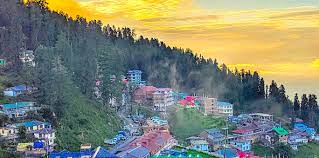
On arrival at Delhi Railway Station / Airport from there you will meet and assist by our representative and now you will be ready to “Hit the Queen of Hills”. Drive to Shimla 10 hr (405.1 km). On the way sightseeing Pinjore garden , Timber Trail ,& Jabli snow park. Dinner and overnight stay at hotel.
Post breakfast; proceed for Kinnaur Sangla via Sarahan which is also known as the gateway to Kinnaur valley.You will be travelling through the rich forests of Deodar, breathtaking views of the valley, snow-covered mountain peaks and fast-flowing rivers.Travel along the Sutlej river till Karcham from where you will take a right turn towards Sangla following the Baspa river.Visit the Hattu peak (3,400 metres/ 11,154 feet) and submerged in the scenic beauty of Himalayas. Next on your trip map is the traditional wooden carved temple of Goddess Kali, Hawa Mahal, Cricket Ground, and Oldest Mahal of King of Himachal. After the temple tour, drive to Sangla valley. Overnight stay in hotel in Sangla valley.
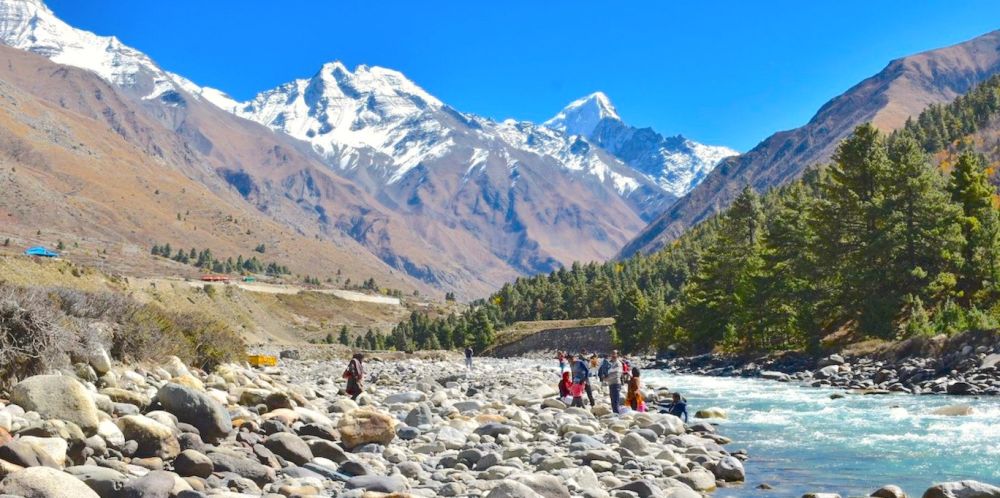
On the third day of this Kinnaur & Spiti Valley Tour, we will go towards Kalpa via Chitkul. Chitkul can be described as one of the most scenic settlements in the valley and the last inhabited village before the India-China border. This short drive from Sangla to Chitkul will be one of the most scenic drives you’ll take with plenty of opportunities to take stunning photographs. Walk around the Bapsa river and pay tribute to the Mathi Goddess at the temple in the village. After spending time in Chitkul, we turn around and head to Kalpa. Legend has it that Kalpa was the winter home of Lord Shiva. If it’s true, he couldn’t have found a more remarkable abode for himself, with enthrallingly majestic views of the Kinnaur-Kailash and Jorkandan peaks looming right above the village. Overnight at a hotel in Kalpa.
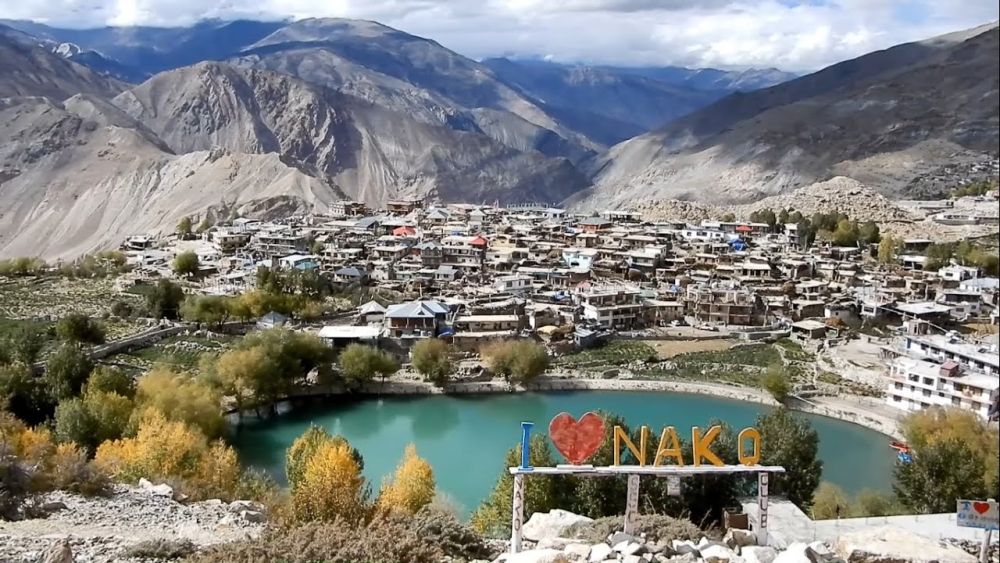
After early morning breakfast, you will be leaving for Tabo passing through the beautiful Spiti Valley. Drive along the Indo-Tiber Highway and pass through Khab Bridge that marks the confluence of Spiti and the Satluj River.We will visit Nako Lake and Nako Village which is the last village of Kinnaur Valley. Later we continue our drive to Tabo.En route visit the Gue village which is also the last Indian village on Indo-Tibetan boarder. Here we will visit the naturally preserved mummy of a Buddhist monk which is about 600 years old, which was discovered here while building the road.As you start to enter the Spiti Valley you will watch the mountains change their colours from the lush greens of the Kinnaur valley to the many hues of brown.Reach Tabo and check in to your hotel. Today we will be entering the beautiful Spiti valley which is also known as the cold desert of the Himalayas (this area is cut from rest of the world due to heavy snow in the winters). Overnight at a hotel in Tabo.
Today you will be visiting Tabo Monastery. The shrine was founded in 996 CE and is part of the Spiti Valley above Tabo village. It is popularly known as the 'Ajanta of the Himalayas' because of the beautiful frescoes and stucco paintings. Tabo is believed to be oldest continuously operational Buddhist enclave settled in India and the Himalayas. An interesting fact about the iconography during this period applauded the bond between the diverse cultures of India and Tibet. Guests can also visit Tabo village, where they can spend some time with the locals and witness the stately houses and the cultivated fields. Followed by being a part of a theatrical performance. After the tour, begin a road trip to Kaza. Stopover at Dhankar Monastery sitting high in the Himalayas at an elevation 3890 m. The shrine is blessed with murals which depict Buddhist legends and related local stories. As soon as you reach Kaza, complete the check-in formalities and get proper rest for the night.
On the sixth day of this Spiti Valley tour, we drive to some of the highest inhabited regions of the world. The highest village in Asia, Komik, which literally translates to ‘eye of a snow cock’, is situated at a height of 4513 meters. This farming village has a population of 84 people, living in utter isolation, cut-off from the rest of the world for most parts of the year. Some of the common animals of the region are the Tibetan wolf, blue sheep, red fox, hare, snow cock, Himalayan griffin, rock pigeon etc. Later, we drive to Hikkim where we visit the world’s highest post office in the world. If possible, you might even meet the post-master and hear his stories. Langza village is situated at an altitude of 4400 meters . Langza houses a population of 137 in 33 households. Once you are here, you can walk around the village and visit the ancient Lang (Temple) which is estimated to be around 1000 years old. After that, we visit the world famous Ki Monastery. The car will first stop at the base of the monastery hill for the ultimate photo opportunity of this remarkable structure. The Ki Monastery situated at a height of 13,668 feet was founded by a disciple of the famous Atisha, in the 11th century CE. Belonging to the Yellow Hat or Gelugpa sect of Tibetan Buddhism, this monastery is famous as a prominent center of learning as well as a refuge for Tibetans. Being remotely located atop a hill overlooking endless plains, the Ki Monastery is an obvious choice for those seeking peace and calm. Then we will move farther up the valley to the picturesque village of Kibber. Located at a height of 4205 meters and 18 km from Kaza, this formerly highest permanently inhabited village in this region, is also a popular base camp to embark on adventure and treks to adjoining mountains of high altitude. The expanses of beautiful landscapes and immeasurable beauty of the snow-tipped mountains make the place a haven for nature-lovers and photographers alike. From Kibber you can trek to Chicham Village, located across a sharp and precipitous canyon traversible only by a suspended wire cable basket system known as a Jula. Then Back to hotel dinner and overnight stay.
On this day of this Spiti Valley tour, we drive to one of the most photogenic places in Spiti Valley – the Chandratal Lake. Before that, we pass through the high altitude pass of Kunzum La. Stop by at the stupa and pay tribute to the local goddess, “Kuzum Mata” as she's known. At 15,000 feet above sea-level, the Kuzum Pass connects Kullu and Lahaul to the Spiti Valley. From there, we head to Chandratal Lake – A visual marvel, this stunning blue-coloured lake is set at an altitude of 4,300 meters above sea level in the heart of high Himalayas and is a must see on a full moon night. It derives its name, “Chandra” (Moon) and “Taal” (Lake) from the crescent shape of the lake. Live your dream of camping comfortably in the Himalayas as you spend your evening gazing at the Milky Way and the millions of stars on a clear night.
On this day of this Spiti Valley tour, drive from Chandratal Lake towards Manali. You can take a quick stop at Batal for a cup of tea at a small tea shop run by a beautiful old couple. From there, we continue driving on the Kaza – Manali highway and return to Manali to end your breath-taking Spiti Valley sojourn. Dinner and overnight stay at a hotel in Manali.
